Daily insights for city builders, delivered every morning at 6 AM ET. I’m Brandon Donnelly — a Toronto-based real estate developer and founder of Globizen. I’ve been writing here since 2013.

Month: August 2024

  • BC now allows single egress stair buildings up to 6 storeys

    The province of British Columbia made the following announcement this week:

    The Province has updated the BCBC to remove the [building] code requirement for a second egress, or exit, stairwell per floor in buildings up to six storeys. This change will make it possible to build housing projects on smaller lots and in different configurations, while allowing more flexibility for multi-bedroom apartments, more density within areas of transit-oriented developments and the potential to improve energy efficiency in buildings. Previously, the BCBC called for at least two egress stairwells in buildings three storeys and higher.

    This is meaningful progress. And BC is the leading the way in Canada. But from a global perspective, we are not leading the way. This is us catching up.

    As part of this building code change, the province commissioned a report on single egress stair building designs. In this report, they looked at various jurisdictions from around the world:

    Their non-exhaustive findings:

    There are at least 30 jurisdictions with SES building design requirements that permit midrise buildings with a building height of at least 5 or 6 storeys. In addition, the Center for Building in North America (www.centerforbuilding.org) reports that 8 US states have passed legislation into law, or are reviewing possible options for doing so, to allow larger SES buildings when their Building Code is next revised. In most cases these revisions are intended to allow SES buildings of up to 6 storeys.

    For example, Seattle already allows up to 6 storeys. Belgium, New Zealand, and Australia allow up to 9 storeys (driven by a maximum height in meters). And Finland allows up to 18 storeys, according to the report.

    Though keep in mind that building codes are complicated and often have frustrating gray areas. There may be other requirements that need to be met in order to achieve these heights.

    It’s great to see BC making these moves. Now watch for other provinces to follow suit.
  • I ❤️ Biarritz

    Neat B and I tried surfing for the very first time today in Biarritz. Our instructor was a 57-year old Frenchman who has been surfing for 50 years (he allegedly started when he was 7) and who spent some 20 years living in Costa Rica doing the same. Sounds super stressful, if you ask me. We both did well for our first time, and managed to catch waves and get up on our massive spongy boards. (This is what they give you when you have no idea what you’re doing.) Naturally, we’ll be doing the same thing tomorrow morning. Biarritz is an awesome place. It feels to me like the summer version of all the things I love about Utah in the winter — breathtaking landscapes, chill vibes, and cool people doing fun things on boards and such.

  • Bordeaux’s tramway network

    I was very impressed by Bordeaux’s tramway network. It felt like no matter where you were in the city, there was a tram gracefully passing you by. Here’s a high-level summary of the system:

    • The network has 4 lines and a total route length of 77.5 km.
    • The first line opened in 2003.
    • The network has 130 stops, which crudely results in an average stop spacing of around 600 m.
    • The system pioneered ground-level power supply for the trains, which means no overhead wires. Supposedly this caused some issues upfront, but now it seems to be working just fine.
    • Most of the network runs on a dedicated right-of-way (en site propre). Meaning, the trains don’t compete with car traffic. Many of the lines are quite beautiful too – see above video.
    • In 2018, the network carried close to 100 million people. This is in a city of ~260k people and a metro area of ~1.4 million people (2020).

    The key differentiators for me are (1) the stop spacing and (2) the fact that most of the system runs on its own dedicated right-of-way. These are two reasons why Toronto’s streetcars perform so poorly. They stop too frequently. And most of the lines have to compete with traffic.

    So why bother? Walking can be faster.

    Bordeaux shows that — if you implement light rail correctly — you can actually move a ton people efficiently. With surface rail, you can also build out a robust network in a relatively short period of time.

    Twenty years isn’t that long in city-building years. It has already been 10 years since Toronto was first promised SmartTrack.

  • The mighty bollard

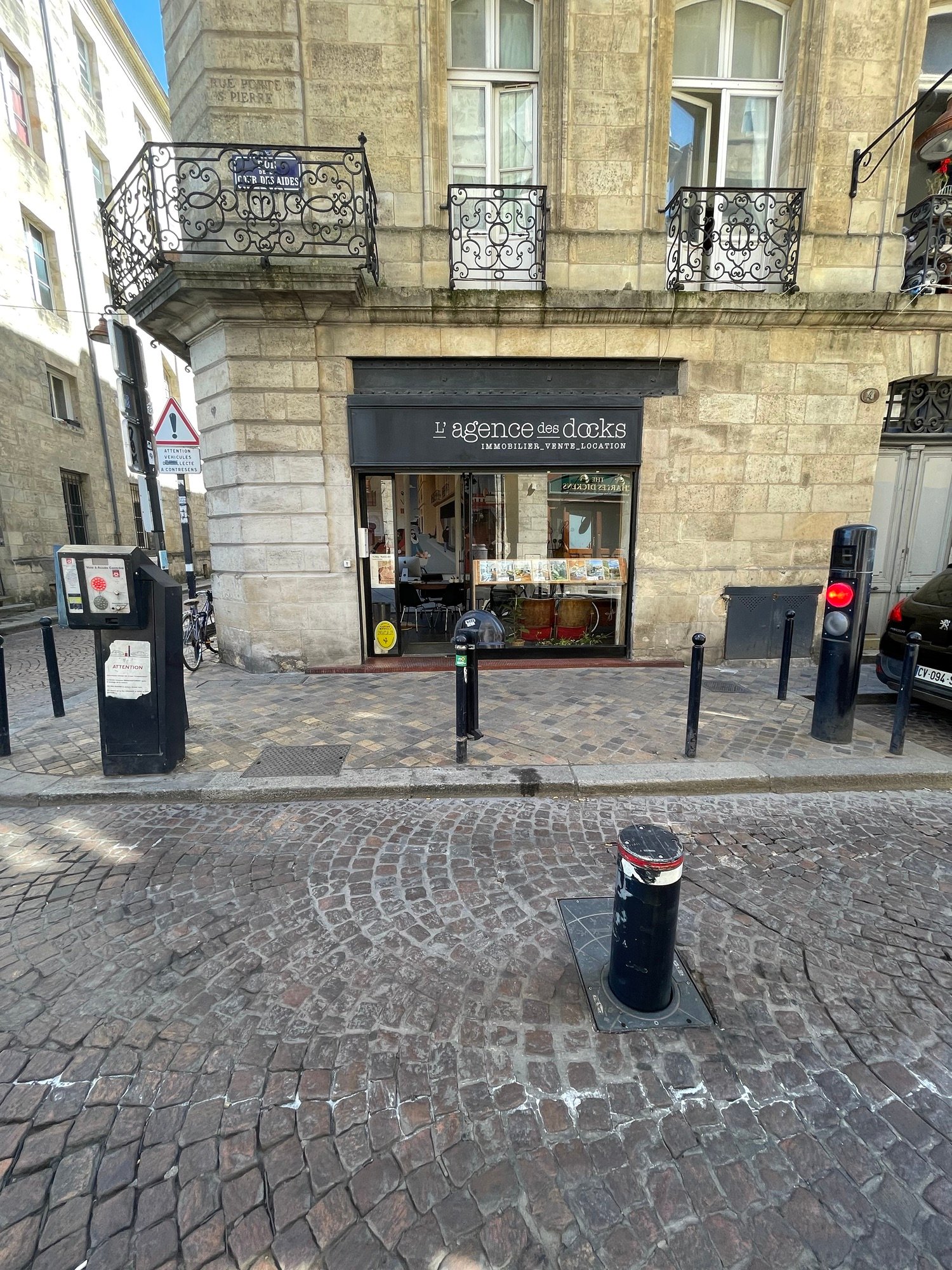
    The mighty — and automatic — bollard is an important city-building tool that isn’t employed nearly enough in North America. It’s typically used to control car access to small pedestrian-only or pedestrian-first streets. But I guess if you don’t have any of these, then you may not feel the need to install such a device. The above photos are from Bordeaux. And if you want to gain access, you need to hit the intercom button and explain why you’re local traffic. Can you think of any streets in your city that could use a system like this? I can think of many in Toronto.

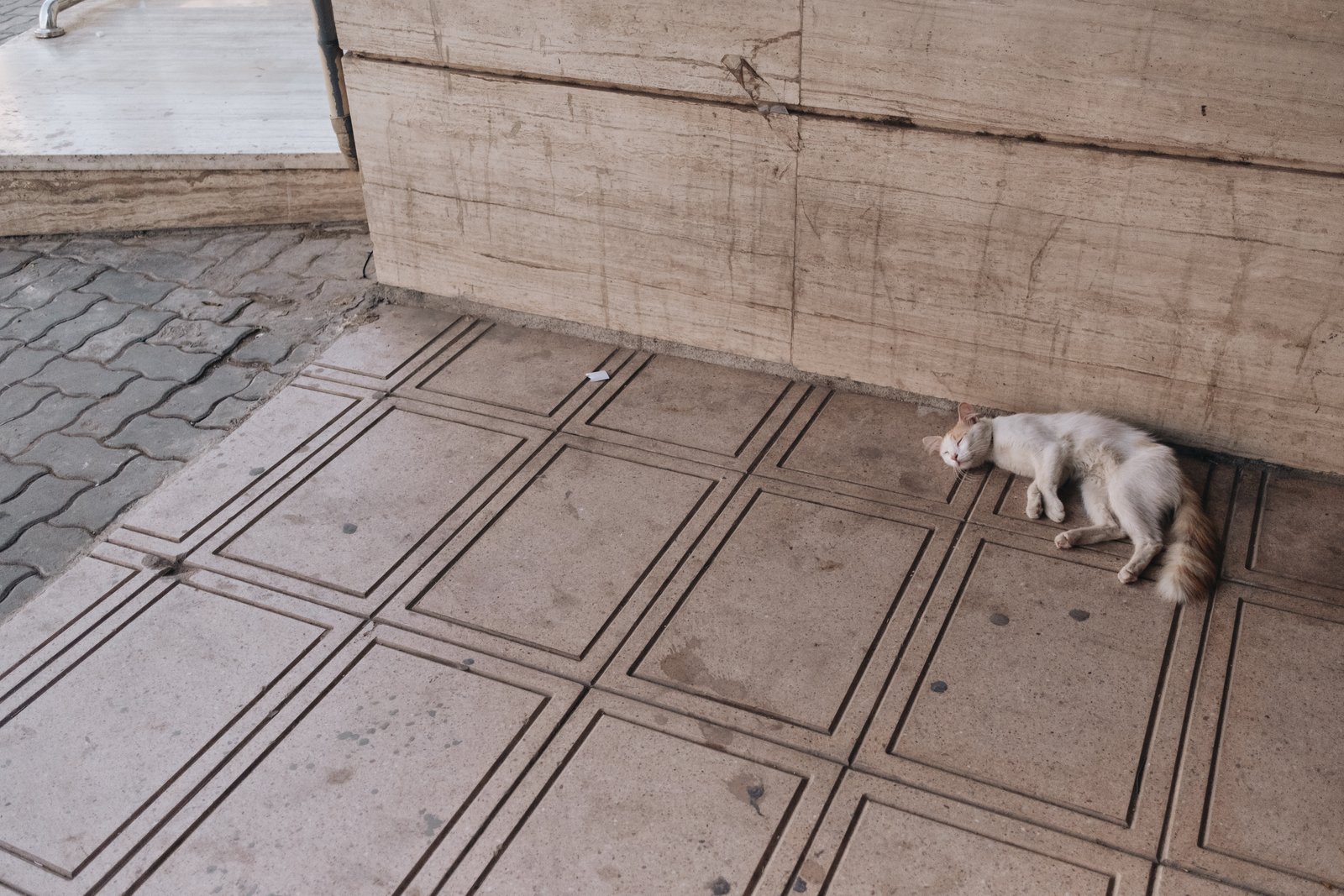
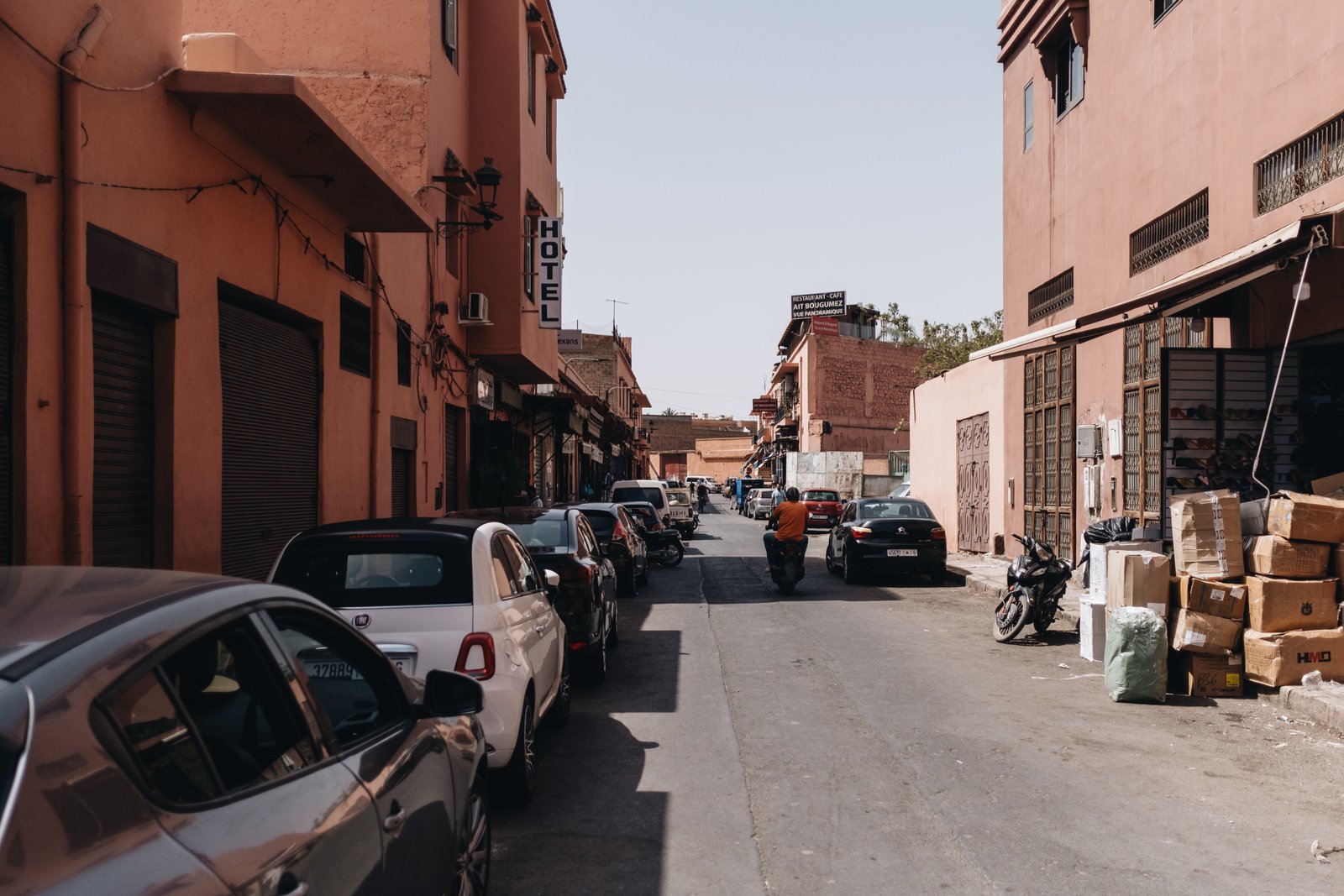
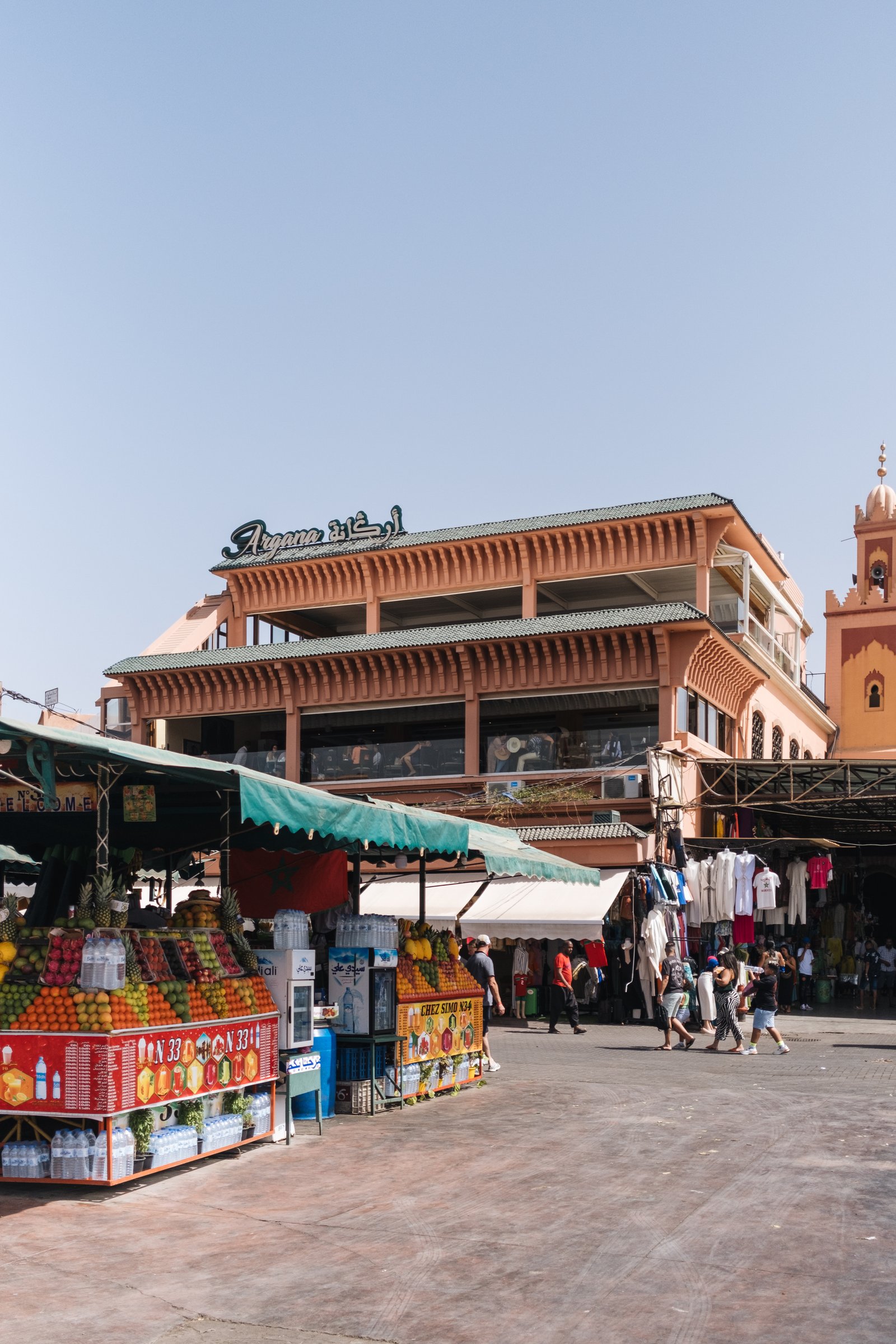
  • Streets of Marrakech

    Camera: Fujifilm X-T3 (23mm lens)

  • Lingua franca

    The two official languages of Mallorca are Catalan and Spanish. However, there is also a local dialect of Catalan spoken on the island called mallorquí. Many of the locals we met last week spoke all three. At the same time, it was also our experience that everyone spoke English.

    In Morocco, the two official languages are Arabic and Berber. Berbers are an ethnic group that predate the arrival of Arabs to the Maghreb region of North Africa. And today, about a quarter of Moroccans still speak it according to Wikipedia.

    French colonial rule in Morocco (which lasted from 1912 to 1956) also means that a large percentage of the population speaks French. The “official” number was above 60% in 2012, but our experience in Marrakech has been that it’s virtually everyone.

    This has also been our experience with English. Though, interestingly enough, some of the locals have told us that this was not the case as recent as 10 years. English is a new phenomenon in Marrakech. Anecdotally, it means that many of the locals seem to speak a minimum of 4 languages.

    This is, of course, par for the course in this part of the world. But as a Canadian who is working diligently to try and master only two languages — I take a weekly French class at Alliance Française in Toronto — it’s an easy way to feel linguistically inadequate.

    Languages are difficult. They’re relatively easy to learn when you’re young, but if you don’t use them consistently and if you’re not immersed, they’re also easy to lose. Which is why some estimate that by the end of this century, at least 50% of the languages currently spoken will become critically endangered or completely extinct.

    Here is how UNESCO classifies endangered languages:

    The simple takeaway is that it starts with children. A “vulnerable” language, for instance, means that kids still speak the language, but that it may be restricted to only certain domains, such as at home with relatives. A “definitely endangered” language means that kids are no longer learning and speaking it. This is a kiss of death.

    So to get a sense of where things are headed, it’s a good idea to ask people, “what languages do kids learn in school and/or at home today?” And the answer to that question in Marrakech seems to suggest that English has overtaken French as the preferred second language after Arabic.

    As we all become more globally connected, it only heightens the need for a lingua franca — a common language that we can all use to communicate with each other. And today that global language is English. That certainly makes things easier and more efficient, but it also comes with negative consequences.

    It is going to mean sacrificing the local languages and dialects that emerged at a time when the world wasn’t so small.

  • Tadelakt

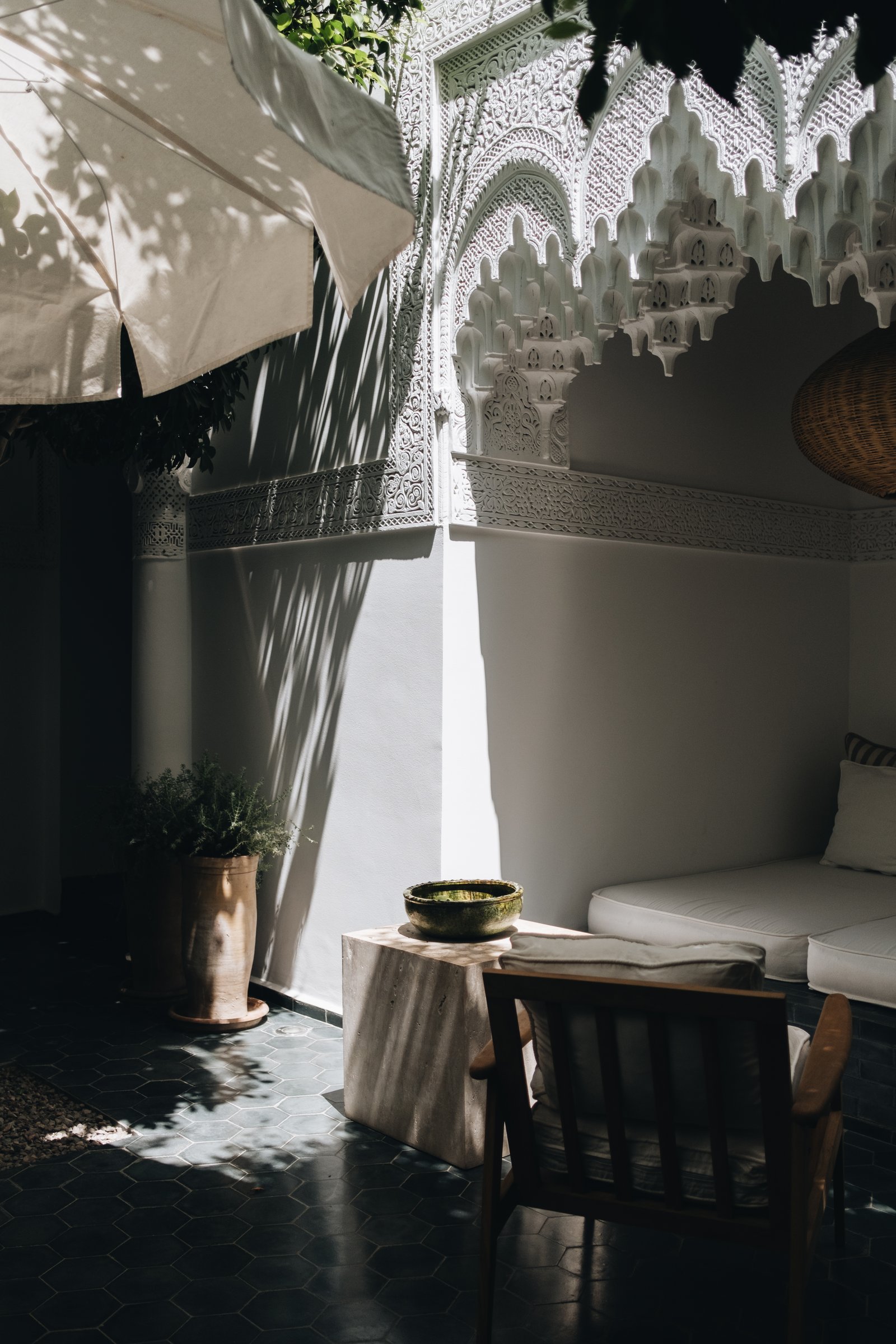
    Tadelakt is a plaster surface that you will find all throughout Moroccan architecture. It is used on floors, walls, sinks, showers, and more. It is made from lime plaster (sand, water, and lime). And it gets applied in stages with, as I understand it, wooden floats, trowels, and mechanical polishers. The last step is to apply a sealer, which then gives it a waterproof finish. This is why it is suitable for bathrooms and exterior walls. From the sounds of it, it’s a labor-intensive process, but apparently the result is a very durable finish. I also think it lends a modern feel because it’s a continuous application that can wrap corners and follow curves.

  • La médina de Marrakech

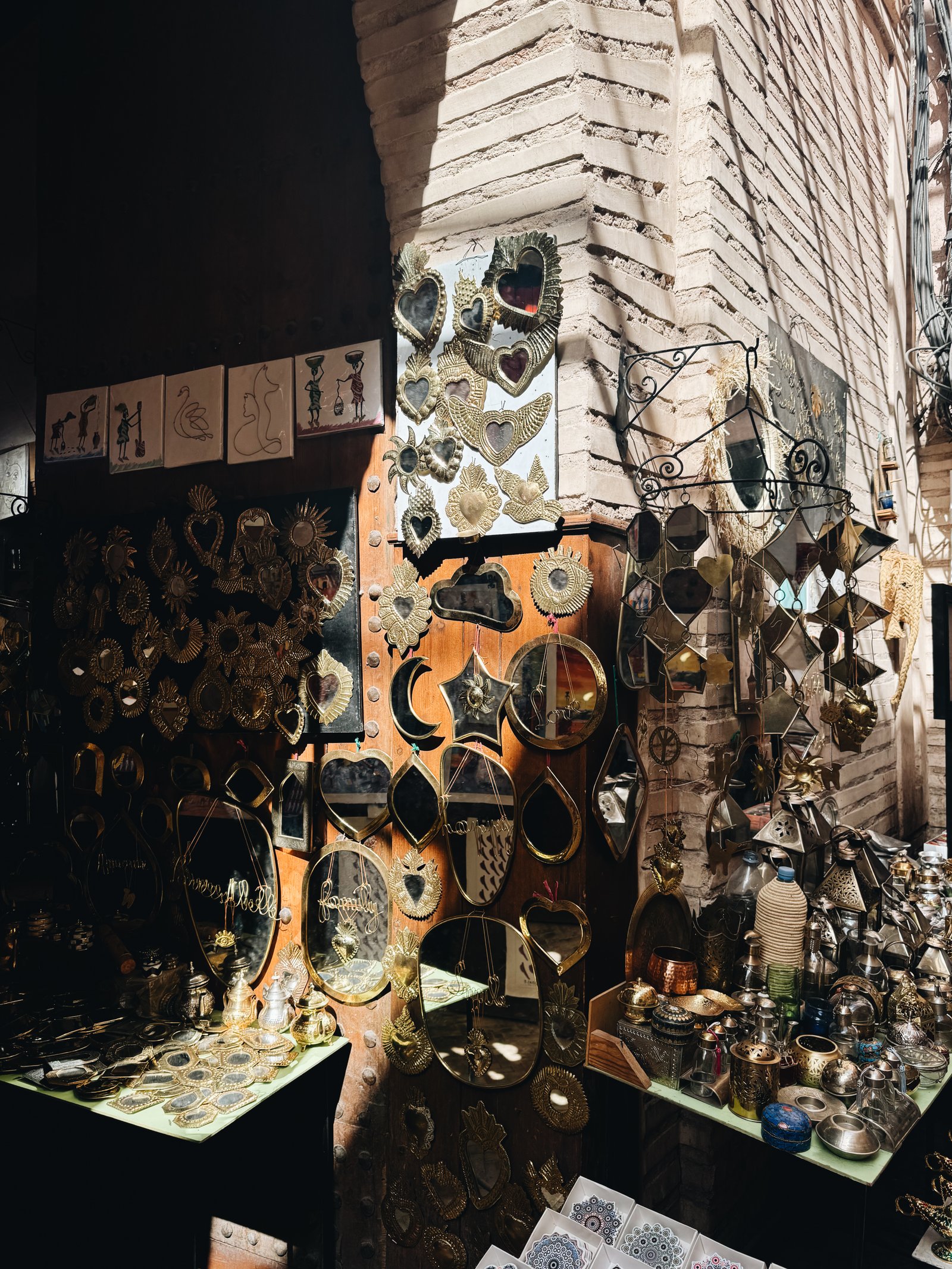
    Marrakech is one of the most frenetic, vibrant, and exciting cities that I have been to in a long time. Walking through the Medina means walking on streets that are only a few meters wide, but that are still somehow filled to the brim.

    Filled with a beautiful cacophony of people, smells, and merchants, selling everything from leather sandals to engine parts. Filled with an endless supply of people vying aggressively for your attention (and who all seem to coincidentally have a relative in Toronto). And filled with motorbikes that are liable to ride over your feet if only you let your guard down for a second.

    Sensory overload. It is at the same time exhausting and one of the coolest experiences ever.

    Another name for these streets would be “shared streets,” which is a way of saying that the formal distinctions between areas dedicated to pedestrians, cyclists, and motorists have been removed. While they are intended to be pedestrian-oriented, the overall approach is that all users just, you know, figure it out. Today, this is viewed as an enlightened approach to street design. Though it’s clearly not a new one.

    I will, however, be the first to admit that it’s easy to feel like an uptight Canadian in the Medina of Marrakech. This thought definitely crossed my mind: “I can’t believe they let motorbikes rip through these tiny streets.” You can see why somebody at some point felt it might be a good idea to carefully segregate uses.

    At the same time, the architecture of Morocco feels like the perfect complement to these chaotic streets. Notably inward facing, the central feature of a traditional riad is its courtyard. These spaces offer much-needed protection from the hot Moroccan sun, but they also allow for family privacy, which is something that is important in this culture.

    The result is that you immediately feel it every time you walk inside. You have now entered a beautiful and calm oasis in the middle of a frenetic and exciting city.

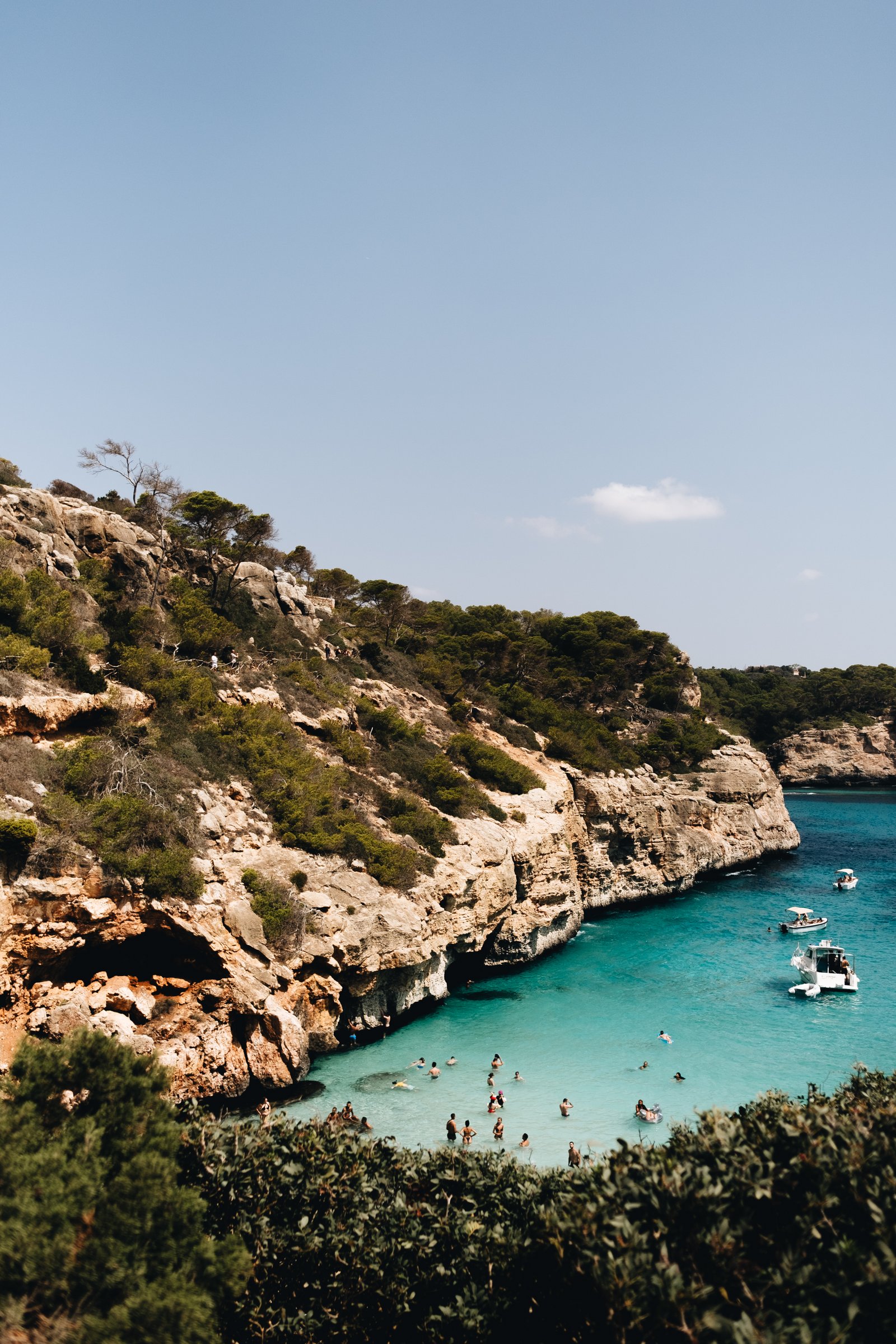
  • Swimming in coves

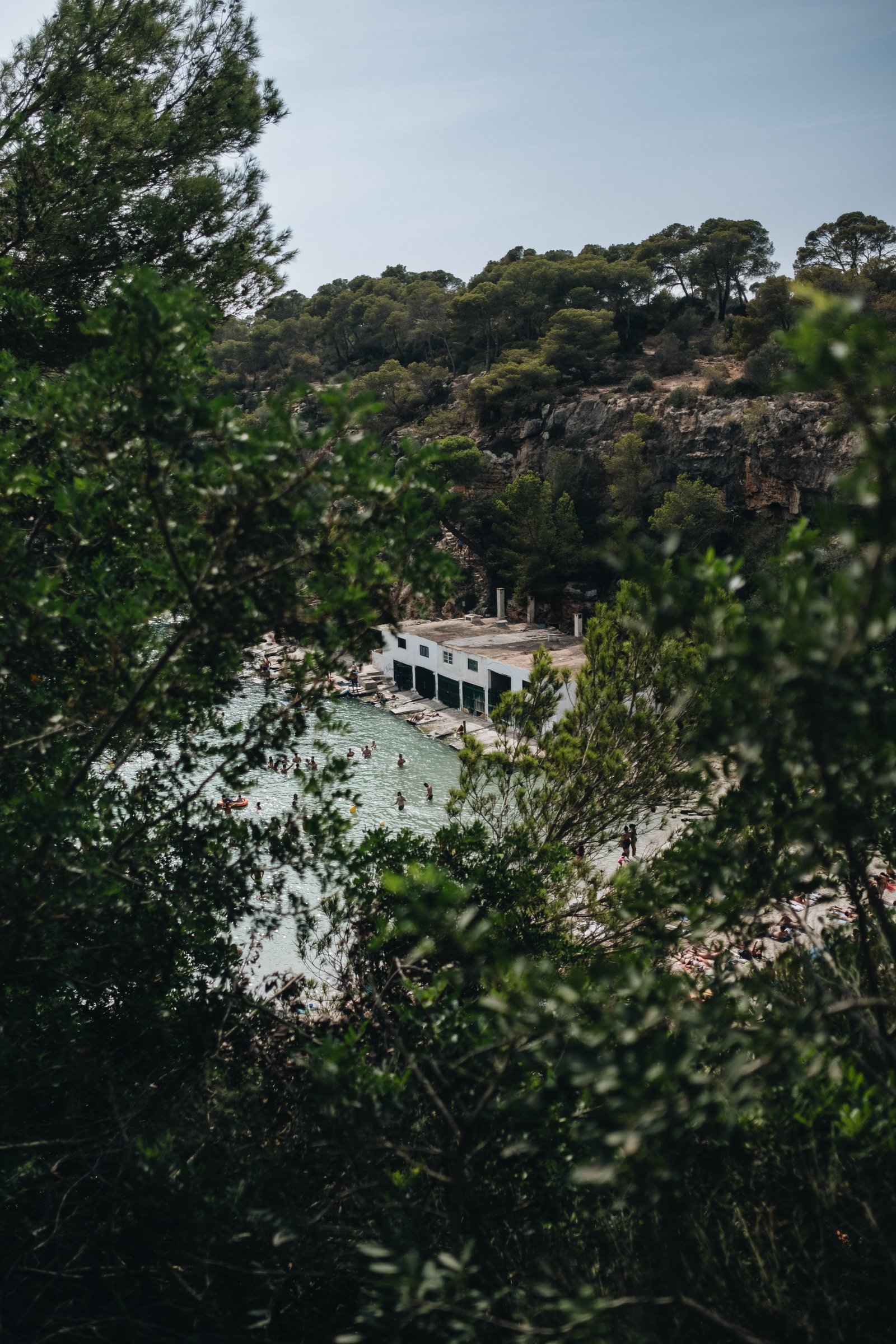
    Here are some photos from Caló del Moro, Cala s’Almonia, Cala Llombards, and Cala Pi (all in Mallorca). As I mentioned two days ago, these are some of the most beautiful public spaces that I have ever seen. We loved swimming in these coves. The Mediterranean is such a special place in the summer. But here’s a tip: If you’re planning to roam around on and jump off of the rocks, you’re going to want to invest in a good pair of water shoes.

    Next up: Marrakesh, Morocco.

    Camera: Fujifilm X-T3 (23mm lens)

  • For visiting only

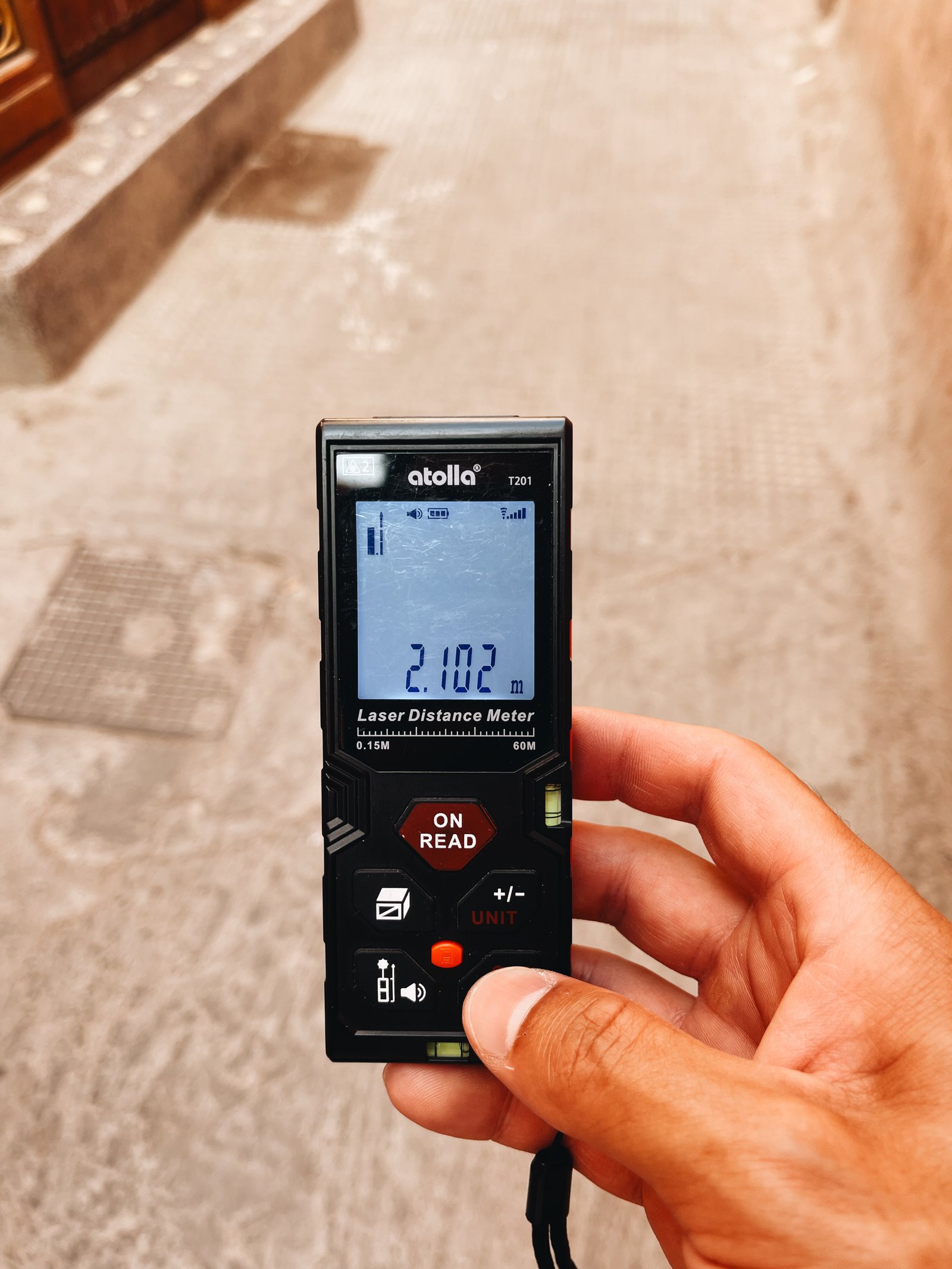
    The street in front of our hotel is about 8.3m wide. (I actually measured it.) And this is generous for Palma’s Old Town. The building directly in front of us is also 6 storeys tall and has exactly zero setbacks and stepbacks. It is one straight elevation all the way up. In other words, it is an urban condition that does not follow any of today’s generally accepted rules of planning. The street should be wider. And the building should have a bunch of stepbacks, right? Maybe not. Lots of people seem to love this kind of dense, unplanned, and walkable built form in Europe. Eating outside on a narrow street is a feature. But for whatever reason, when people return home, many don’t seem to want it anymore, or worse, they actively oppose it. It’s an interesting dynamic that I don’t fully understand. Because personally, I enjoy visiting places that I could see myself living in. What about you?